
Telegram Ban in Nepal: All You Need to Know About the Government’s Decision
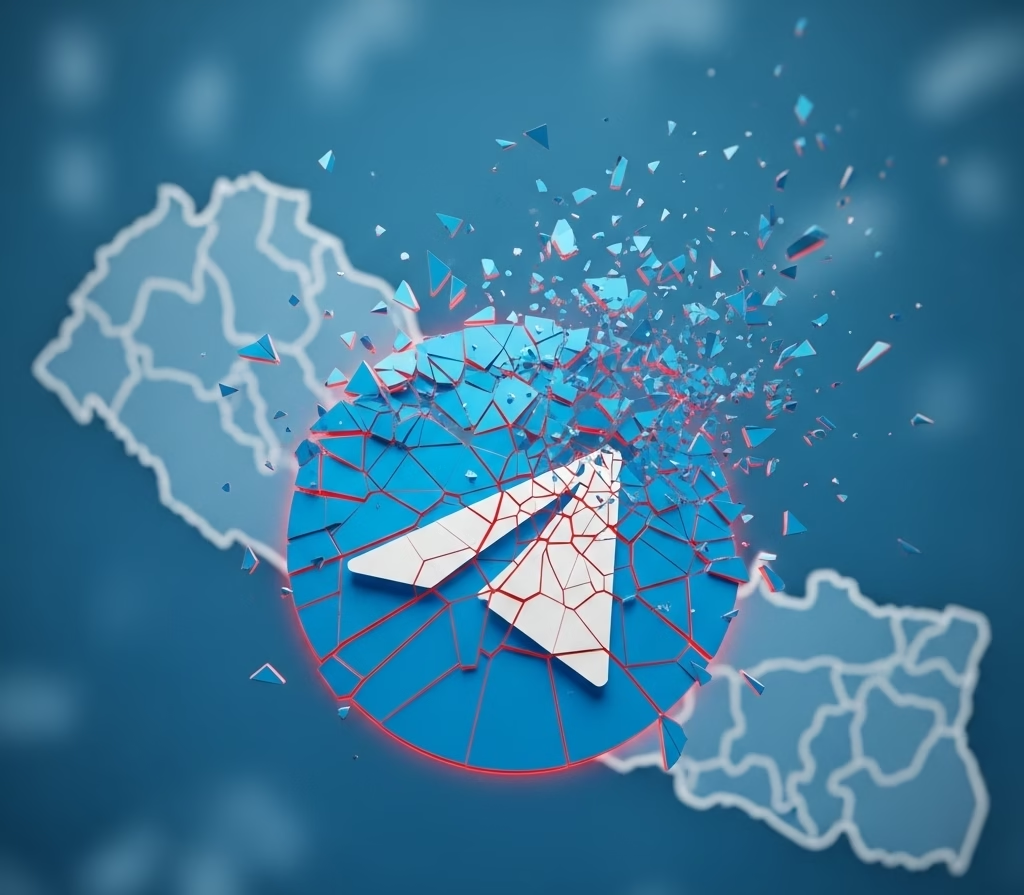

On July 18, 2025, Nepal’s government imposed an immediate ban on the popular messaging app Telegram, citing its increasing misuse in online fraud and money laundering activities. This decision, announced by the Nepal Telecommunications Authority (NTA), has stirred debates about digital privacy, cybersecurity, and freedom of expression in the Himalayan nation. In this article, we explore the reasons behind the ban, its implications for Nepali users, and what it means for the global tech landscape.
Why Did the Nepal Government Ban Telegram?
According to official statements from the NTA and the Ministry of Communications, the ban was a direct response to the increasing misuse of the platform for illegal activities. The primary reasons cited are:
- Online Fraud and Scams: Law enforcement agencies, including the Cyber Bureau of Nepal Police, have reported a significant rise in fraud cases where Telegram was used as the main communication tool. These scams range from fake job offers and crypto schemes to deceptive investment traps. The app’s secure, often anonymous, nature made it a preferred channel for criminals.
- Money Laundering: Beyond simple fraud, authorities allege that Telegram was being used for more serious crimes, including money laundering and the financing of illicit activities. The app’s ability to facilitate large-scale, untraceable transactions was a key concern for the government.
- Lack of Cooperation from Telegram: A major factor behind the ban was Telegram’s alleged refusal to cooperate with Nepalese law enforcement agencies. Officials noted the difficulty in contacting a local representative or getting a response to requests for user data and information on criminal accounts.

Telegram’s Role and Controversies
Launched in 2013 by Russian-born brothers Pavel and Nikolai Durov, Telegram is known for its end-to-end encryption, privacy features, and support for large group chats, boasting nearly one billion users globally. However, these features have also drawn criticism for enabling illicit activities. In Nepal, the app’s lack of cooperation with law enforcement and absence of a local representative exacerbated concerns. Globally, Telegram has faced similar bans in countries like Vietnam and scrutiny in India due to its alleged role in fraud, drug trafficking, and spreading misinformation.
Impact on Nepali Users
With an internet penetration rate of 55.8% and 16.5 million users in Nepal as of early 2025, Telegram’s ban affects millions who relied on it for secure communication, education, and community engagement. For instance, medical students have expressed concerns on platforms like Reddit about losing access to educational groups hosting study materials. Suggested workarounds include using VPNs or changing DNS settings, such as Cloudflare’s 1.1.1.1, to bypass the ban, though these solutions may not be accessible to all.
Global Implications and Digital Rights Debate
Nepal’s decision follows a trend of countries regulating or banning Telegram over security concerns, raising questions about balancing user privacy with public safety. Critics argue that a blanket ban restricts digital freedom and could limit access to information, while supporters believe it’s a necessary step to curb cybercrime. The move may prompt other nations to reassess their approach to encrypted platforms, potentially reshaping the global digital landscape.
What’s Next for Nepal and Telegram?
As Nepal enforces the ban, the government is urged to develop a broader digital governance policy to address cybercrime without stifling free expression. Meanwhile, Telegram’s future in Nepal remains uncertain, with no official response from the company regarding the ban. Users are advised to explore alternative secure messaging apps like Signal or WhatsApp, which offer similar encryption features but may face less regulatory scrutiny.
The Broader Context: A Repeat of the TikTok Ban?
The Telegram ban mirrors the government’s previous crackdown on TikTok, which was initially banned for its perceived negative impact on social harmony and promotion of “harmful content.” The TikTok ban was eventually lifted after the parent company, ByteDance, agreed to adhere to local regulations and commit to positive digital initiatives.
Analysts suggest that these bans are part of a larger government effort to regulate social media platforms and hold them accountable for their use within the country. However, the decision has also sparked a debate about digital freedom, as critics argue that a blanket ban punishes legitimate users and restricts communication for business, education, and personal use.
Impact on Nepalese Users and The Way Forward
For millions of Nepalese, Telegram was more than just a messaging app. It was a vital tool for:
- Business: Small businesses and entrepreneurs used it for client communication and marketing.
- Education: Students and educators relied on it to share study materials and organize online classes.
- Information Sharing: Many used Telegram channels for real-time news updates and community discussions.
Conclusion
The Telegram ban in Nepal highlights the complex interplay between technology, security, and privacy in the digital age. As the government tackles rising cybercrime, the decision underscores the need for robust cybersecurity measures and transparent regulations.
Stay tuned for updates on this evolving story and its impact on Nepal’s digital ecosystem.
Last updated on July 19, 2025 at 8:30 am


