FAO Launches: AI-Powered HR Chatbot
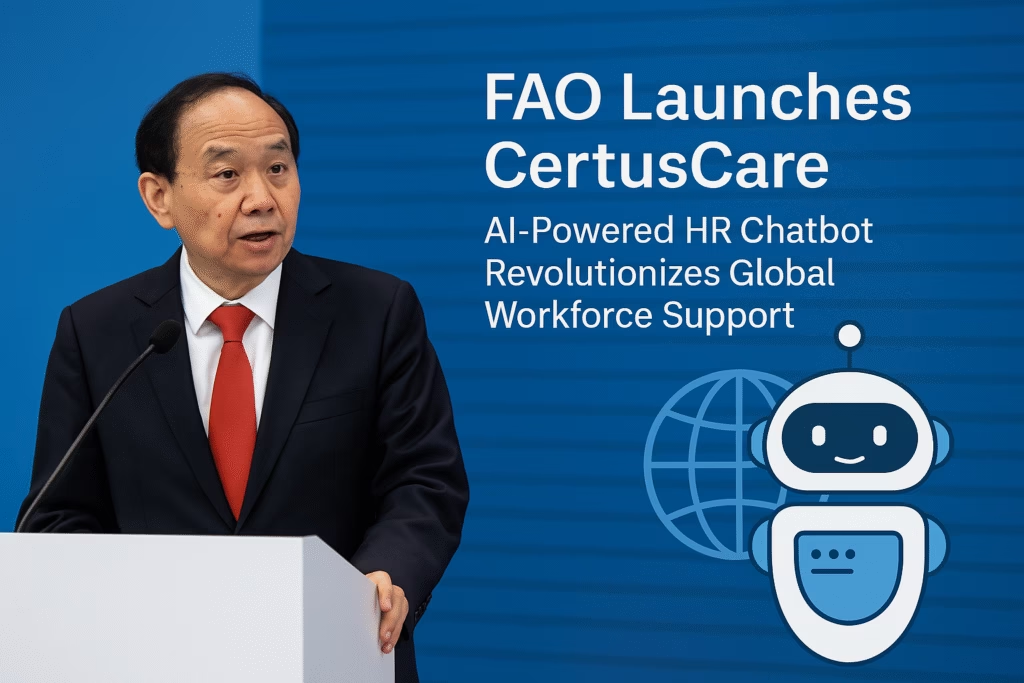

Rome – The Food and Agriculture Organization (FAO) of the United Nations has taken a bold step toward digital transformation with the launch of CertusCare, an AI-powered Human Resources (HR) chatbot, as announced by Director-General QU Dongyu on July 17, 2025. This innovative tool, integrated into Microsoft Teams, is designed to enhance employee support by providing instant, 24/7 access to critical HR information, such as pensions, medical insurance, and service-incurred compensation. Here’s why CertusCare is a game-changer for modern workforce management and how it aligns with FAO’s vision for a digitally advanced future.
A New Era of Digital Transformation at FAO
Since 2019, FAO has been on a journey to embrace digital solutions, a mission that gained significant traction during the pandemic. The launch of CertusCare marks a milestone in this evolution, showcasing FAO’s commitment to leveraging artificial intelligence to streamline operations and improve employee experiences. “The AI generation has come!” said Director-General QU Dongyu during the launch event, emphasizing the rapid integration of AI into everyday work and life.
CertusCare, developed collaboratively by FAO’s Human Resources Division, Digital FAO, and Agro-Informatics teams, is a multilingual, mobile-friendly chatbot that ensures accessibility for employees across FAO’s global offices. The name “CertusCare” reflects its purpose, combining the Latin word certus (meaning “reliable” and “assured”) with “care” to highlight FAO’s human-centered approach to HR services.

Key Features of CertusCare
- 24/7 Accessibility: Employees can access HR information anytime, anywhere, ensuring seamless support across time zones.
- Multilingual Support: The chatbot caters to FAO’s diverse workforce, offering assistance in multiple languages.
- Conversational Interface: CertusCare provides a natural, user-friendly experience, reducing response times and simplifying access to complex HR data.
- Microsoft Teams Integration: Seamlessly embedded into FAO’s digital workplace, making it easy for employees to use without switching platforms.
This AI-driven tool is designed to reimagine workplace interactions by embedding intelligence and efficiency into daily operations. As the Director-General noted, CertusCare embodies a “collaborative spirit, a user-centered design, and a clear vision for the future.”
Why CertusCare Matters for the Modern Workforce
The introduction of CertusCare aligns with FAO’s broader mission to modernize agrifood systems through science, technology, and innovation. By adopting AI, FAO is not only enhancing internal processes but also setting a precedent for other global organizations. The chatbot’s ability to deliver instant, reliable HR support empowers employees, allowing them to focus on their critical work in advancing food security and sustainable agriculture.
Moreover, CertusCare reflects FAO’s commitment to ethical and inclusive innovation. As highlighted in a recent FAO event on AI and digital tools, the organization is dedicated to ensuring that technological advancements are accessible and beneficial to all, from employees to farmers worldwide.
The Bigger Picture: AI in Agrifood Systems
FAO’s embrace of AI extends beyond HR innovations like CertusCare. The organization is actively exploring AI’s potential to transform agrifood systems, from detecting pests with tools like the Nuru mobile app to monitoring drought conditions through the Agricultural Stress Index System (ASIS). These efforts underscore FAO’s vision of using technology to create more efficient, sustainable, and resilient food systems.
As Director-General QU Dongyu stated, quoting a Chinese proverb, “A journey of a thousand miles begins with a single step.” CertusCare is a significant step in FAO’s digital journey, paving the way for further AI-driven innovations that will shape the future of work and agriculture.
Conclusion
As AI continues to reshape the global workforce, FAO’s CertusCare sets a benchmark for innovation, transparency, and trust. It’s a clear example of how international organizations can harness emerging technologies to improve internal operations and better serve their teams.
Follow us for More updates.
Last updated on July 20, 2025 at 3:59 pm