Starfish-Inspired AI Wearable Tech Revolutionizes Heart Monitoring
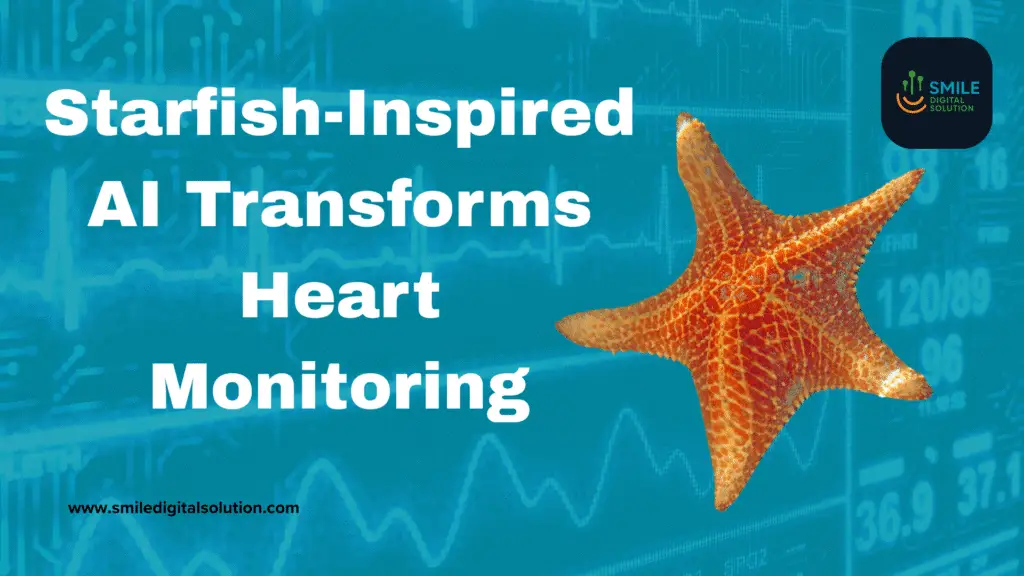

In a groundbreaking fusion of nature and technology, researchers have unveiled a starfish-inspired wearable device that could transform heart monitoring. Published on June 24, 2025, in ScienceDaily, this innovation leverages bioelectronics and artificial intelligence (AI) to create a non-invasive, highly stable device for tracking heart health. Here’s how this biomimetic technology works, its potential impact, and what it means for the future of healthcare.
A Starfish-Inspired Breakthrough
Drawing inspiration from the starfish’s unique ability to adhere to surfaces in harsh ocean environments, scientists have developed a wearable device that mimics this resilience. The device, detailed in a recent study, uses bioelectronic materials to monitor heart activity with unprecedented stability. Unlike traditional wearables, which can lose accuracy due to movement or skin contact issues, this starfish-inspired design ensures consistent performance, even during rigorous activity.
The technology integrates soft, flexible materials that adapt to the skin, much like a starfish clings to rocks. These materials are paired with AI algorithms that analyze heart data in real-time, detecting irregularities such as arrhythmias or early signs of heart disease. According to the ScienceDaily report, this approach significantly improves the durability and precision of bioelectronic wearables, making them viable for both consumer and medical applications.
Why It Matters: The Power of Bioelectronics
Bioelectronics, the field behind this innovation, combines biology and electronics to create devices that interface seamlessly with the human body. The starfish-inspired wearable represents a leap forward in this domain, addressing a key challenge: stability. Traditional heart monitors, like ECG patches, often struggle with signal noise caused by motion or sweat. The new device’s bio-inspired design minimizes these issues, offering reliable data even in challenging conditions.
The role of AI is equally critical. By processing complex heart signals, the AI can identify patterns that might elude human analysis, enabling earlier diagnosis of cardiovascular issues. For instance, the device could alert users to subtle changes in heart rhythm, prompting timely medical intervention. This aligns with broader trends in healthcare, where AI-driven wearables are projected to grow into a $70 billion market by 2030, according to Statista.

Applications: From Fitness Trackers to Medical Devices
The starfish-inspired wearable has far-reaching potential. For consumers, it could enhance fitness trackers, providing more accurate heart rate data during workouts. Imagine a smartwatch that not only tracks your steps but also detects early signs of heart strain with clinical precision. For healthcare providers, the technology could be integrated into medical-grade monitors, reducing the need for invasive procedures like implantable devices.
The research also highlights its role in advancing biosensors and medical implants. By improving the stability of bioelectronic materials, the technology could lead to longer-lasting implants, such as pacemakers, that require fewer replacements. This is a significant step toward personalized medicine, where devices are tailored to individual patients’ needs.
Ethical and Practical Considerations
While the technology is promising, it raises important questions. Data privacy is a key concern, as heart monitoring devices collect sensitive health information. Researchers emphasize the need for robust encryption and compliance with regulations like HIPAA to protect user data. Additionally, accessibility remains a challenge. High-tech wearables are often expensive, potentially limiting their reach in low-income communities.
There’s also the question of AI reliability. While AI enhances data analysis, it’s not infallible. Misinterpretations of heart signals could lead to false positives, causing unnecessary alarm. The ScienceDaily report stresses ongoing research to refine AI algorithms, ensuring they meet medical standards.
The Future of Biomimetic Tech
This starfish-inspired wearable is part of a broader wave of biomimicry in technology. From gecko-inspired adhesives to sharkskin-inspired antibacterial coatings, nature is proving to be a powerful muse for innovation. The success of this device could inspire further research into bio-inspired wearables, potentially revolutionizing fields like neurology or diabetes management.
Looking ahead, the researchers aim to scale the technology for mass production while keeping costs down. Partnerships with tech giants like Apple or Fitbit could accelerate its adoption in consumer markets. Meanwhile, clinical trials are underway to validate its efficacy in medical settings, with results expected by mid-2026.
Why This Matters for You
For tech enthusiasts and health-conscious readers, this innovation signals a future where wearables do more than count steps—they save lives. By combining nature’s ingenuity with cutting-edge AI and bioelectronics, the starfish-inspired device offers a glimpse into a world where health monitoring is seamless, accurate, and accessible.
Stay tuned for updates on this technology as it moves from lab to market. For now, it’s a reminder that the best solutions often come from the natural world, reimagined through the lens of technology.
Sources:
- ScienceDaily, “Starfish-Inspired Wearable Tech for Heart Monitoring,” June 24, 2025.
- Statista, “Wearable Technology Market Outlook,” 2025.
Follow us for more Research & Reports on the latest tech breakthroughs!
Last updated on July 12, 2025 at 4:23 pm