Dhruve Elephant Gets New Radio Collar
In the heart of Nepal’s Chitwan National Park, one of the world’s most iconic wildlife sanctuaries, a notorious wild elephant named Dhruve is once again making headlines. This massive bull, known for his tragic history of human-elephant conflict, is set to receive a new radio collar as part of an ongoing effort to manage his movements and protect both people and the animal itself. It’s a story that blends cutting-edge technology with the complex realities of conservation in a region where humans and wildlife share shrinking spaces.
Dhruve, sometimes spelled Dhurbe or Dhurve, has become a symbol of the challenges facing Asian elephants in Nepal. Over the years, he’s been linked to around 25 human deaths, sparking fear in local communities while highlighting the urgent need for smarter, tech-driven solutions. Park officials are preparing to sedate him, trim his tusks (a procedure done before), and fit him with an updated radio collar to improve real-time tracking.
Table of Contents
The Background: A Rogue Elephant’s Long Story
Dhruve’s reputation isn’t new. For over a decade and a half, this wild male elephant has roamed the buffer zones around Chitwan, occasionally venturing into villages. His encounters have led to loss of life and property damage, turning him into a figure of both dread and fascination. In 2012, authorities even declared him a “mad elephant” and attempted to hunt him down with Nepal Army support, but he survived.
Local residents tell heartbreaking stories. One family reportedly lost members to Dhruve years ago, moved across rivers thinking they’d be safe, only for the same elephant to find them again in a tragic repeat incident. As one survivor shared in reports, “We believed that moving across the major rivers would keep us safe. But after all these years, the exact same elephant found us again.”
Chief Conservation Officer Dil Bahadur Purja Pun has been vocal about the operation. He explained that the elephant will be sedated for tusk trimming and the new collar installation, aiming to make him less dangerous while enhancing monitoring.
This isn’t Dhruve’s first collar. Previous ones helped track him, but issues like delayed data transmission prompted the upgrade. Information officer Abinash Thapa Magar noted, “We have been utilising a satellite tracking collar to monitor the movements of this highly aggressive male elephant… Our data logs show that his location coordinates were pinned directly around the perimeter of the incident site.”
How Radio Collar Technology is Revolutionizing Wildlife Conservation
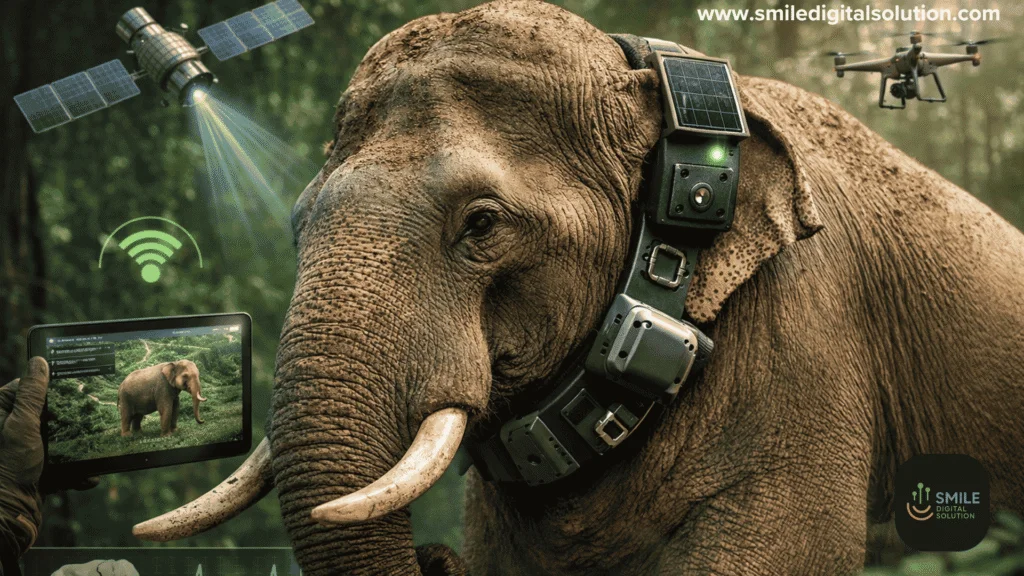
Radio collars, especially modern GPS and satellite-enabled versions, represent a fascinating intersection of technology and ecology. These devices aren’t just simple trackers; they’re sophisticated tools packed with sensors that provide real-time or near-real-time data on an animal’s location, movement patterns, speed, and even environmental conditions.
In Dhruve’s case, the new collar aims to address past shortcomings. Earlier models sometimes failed to deliver timely alerts, leaving communities vulnerable. Updated versions, often using GPS/Iridium or similar satellite systems, offer better reliability in dense forests and rugged terrain like Chitwan’s.
The broader impact is huge. Across the globe, from Kenya’s Mara Ecosystem to Zimbabwe’s Hwange National Park, conservationists use similar tech. WWF and partners deploy GPS/GSM collars to monitor behavior and mitigate conflicts. In Nepal, this fits into larger efforts at Chitwan, a UNESCO World Heritage Site home to tigers, rhinos, and elephants.
Internal link suggestion: For more on how tech is protecting Chitwan’s biodiversity, check our guide to AI and drone use in Nepali wildlife monitoring.
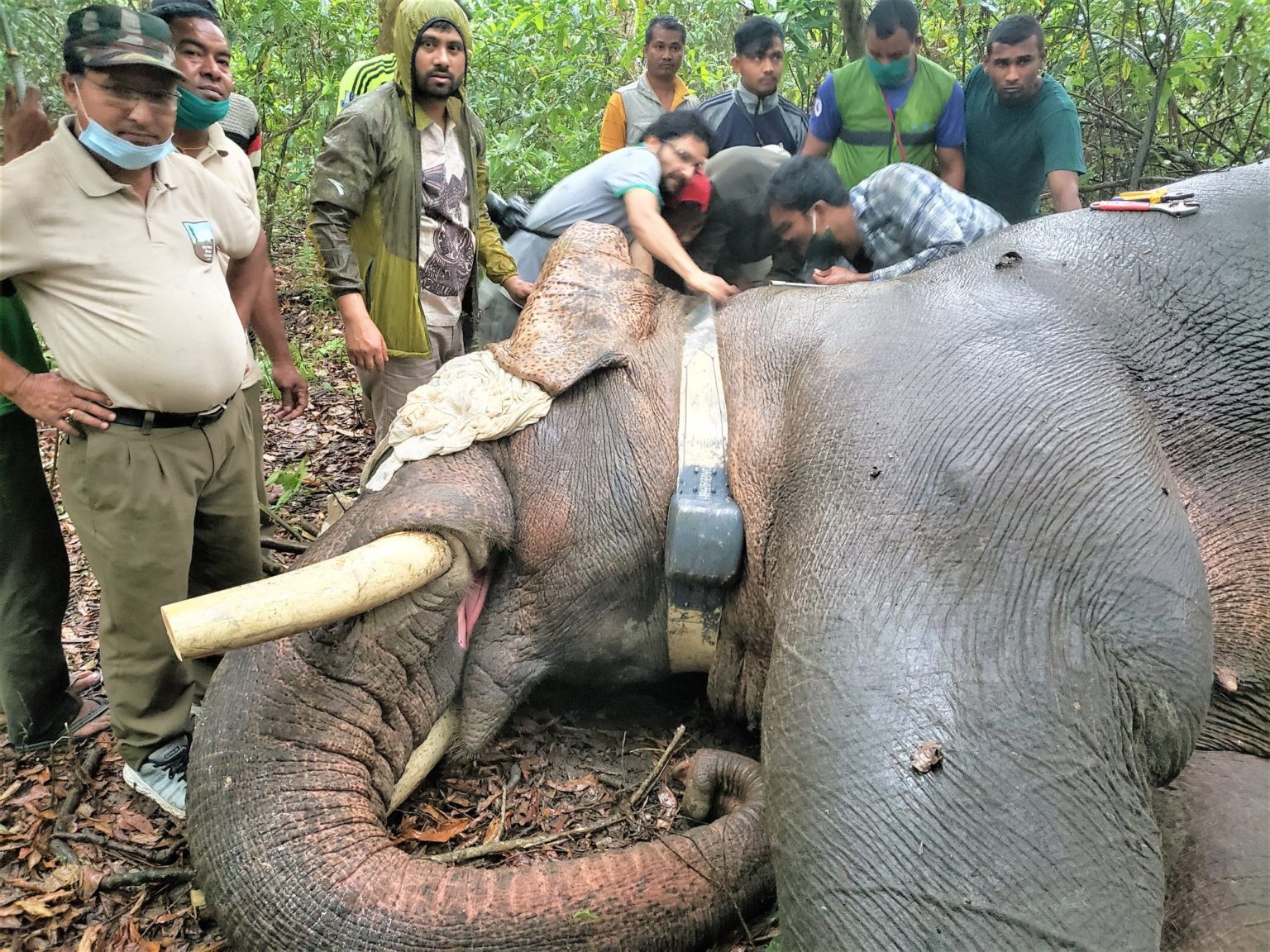
Experts emphasize the dual benefits. Dr. Vijay Kumar Shrestha, a senior veterinarian involved in past operations, has contributed to these efforts, highlighting the precision needed when working with such powerful animals.
The Science Behind the Collar: What Makes It Work?
Modern elephant collars are engineering marvels. Built from heavy-duty belting to withstand an elephant’s strength, they typically feature a GPS unit, battery, antennas, and sometimes accelerometers to detect activity levels. Brands like Telonics specialize in these, customizing for Asian elephants which differ slightly in size and habitat from their African cousins.
Data flows to monitoring stations, enabling “geo-fencing” , virtual boundaries that trigger alerts when an elephant approaches villages. This gives rangers and locals precious time to respond, perhaps by using lights, sounds, or safe relocation tactics.
A study on GPS collars for elephants notes their role in understanding migration, habitat use, and conflict hotspots. In one Kenyan project, collars provided fixes every few hours, helping reduce human-elephant encounters.
Of course, there are challenges. Collars must be comfortable and not hinder natural behavior. Battery life, signal in forested areas, and the need for occasional replacement (as with Dhruve) are ongoing issues. Researchers are exploring lighter, more durable options and even non-invasive alternatives, but for now, collars remain a proven tool.
Human-Elephant Conflict: A Growing Crisis in Nepal and Beyond
Chitwan’s story mirrors a global problem. As human populations expand and forests shrink, conflicts rise. In Nepal, elephants like Dhruve raid crops, damage homes, and sometimes clash fatally with people. Tusk trimming reduces the risk of goring, while collars aid prevention.
Conservationists argue for holistic approaches: better land-use planning, community education, and compensation schemes. Technology alone isn’t enough, but it’s a critical piece. Organizations like WWF stress combining tracking with habitat restoration and awareness programs.
Locals near Chitwan live with constant vigilance. Elephants are culturally significant in Nepal, symbols of strength and revered in Hindu traditions , yet the fear is real. Balancing reverence with safety is tough.
Learn more about global efforts from WWF’s elephant conservation page.
The Future of Tech in Conservation: Beyond Radio Collars
Dhruve’s new collar is part of a tech evolution. Drones, camera traps, AI-powered image recognition, and even satellite imagery now complement ground tracking. In India and Africa, similar systems predict elephant movements using historical data and weather patterns.
Emerging tools like LoRaWAN networks promise more frequent, low-power updates over vast areas. SmartParks’ ElephantEdge collars are testing this, potentially transforming monitoring in remote spots.
For blogs like ours focused on tech news, it’s exciting to see innovation saving lives, both human and animal. Imagine AI alerts sent directly to farmers’ phones or community apps based on collar data.
Yet ethical questions linger. Is collaring stressful? Does it alter behavior? Studies suggest minimal long-term impact when done right, and the data gained often justifies it for endangered species.
Why This Matters for Nepal and the World
Chitwan National Park isn’t just a tourist spot; it’s a biodiversity hotspot. Successful management of elephants like Dhruve could serve as a model. Nepal has made strides in rhino and tiger conservation, tech could do the same for elephants.
As Dil Bahadur Purja Pun and his team prepare, the hope is for fewer tragedies. Better tracking means proactive warnings, allowing communities to secure homes or avoid paths without resorting to lethal measures.
This operation also underscores international collaboration. Veterinary expertise, tech from companies like Telonics, and lessons from projects worldwide all play a role.
What Happens Next?
Once fitted, Dhruve’s movements will be closely watched. Officials plan to use the data for timely community alerts. Tusk trimming should make him less of a physical threat during rare close encounters.
For wildlife enthusiasts and tech buffs, it’s a reminder of how gadgets can bridge the gap between humans and nature. Follow our blog for updates on this story and similar tech-conservation intersections.
In the end, Dhruve’s collar isn’t just hardware, it’s a lifeline for coexistence. By embracing these tools thoughtfully, we honor both the wild spirit of elephants and the safety of the people who live alongside them.
Visit for more tech insights. Subscribe to our blog for the INTERESTING news!
Last updated on July 8, 2026 at 7:05 pm