Delhi Police Deploys Face Recognition at CJP Protest
In the bustling heart of India’s capital, where history and modern tensions often collide at iconic spots like Jantar Mantar, a new chapter in protest policing unfolded recently. On July 20, 2026, during the Cockroach Janta Party (CJP) protests, sparked by frustrations over NEET exam irregularities, youth unemployment, and broader calls for government accountability, Delhi Police turned to advanced facial recognition technology. This move has ignited heated debates about privacy, surveillance, and the right to peaceful dissent in the digital age.
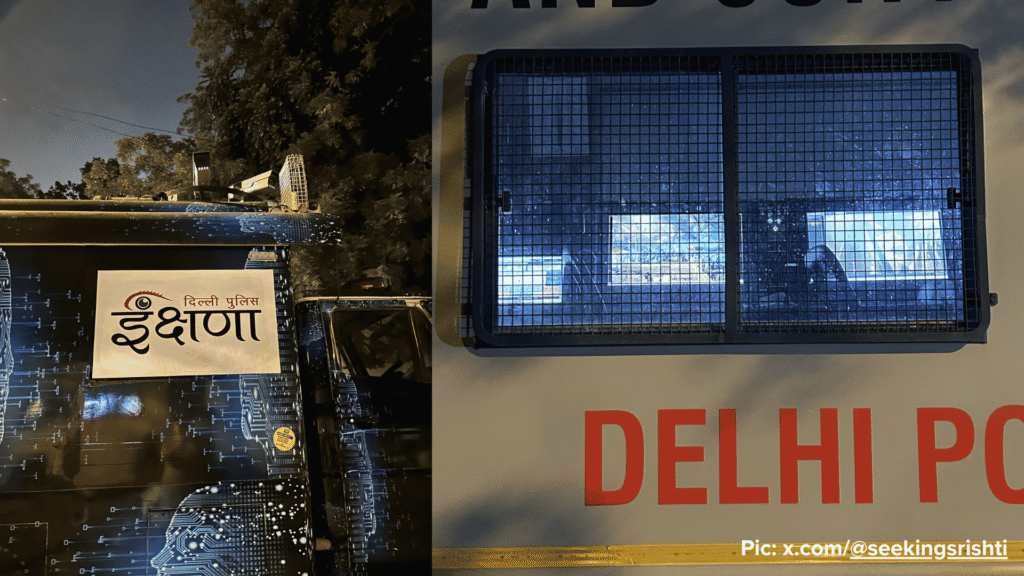
Award-winning investigative journalist Srishti (@seekingsrishti) provided on-ground reporting that highlighted the deployment of “Ikshana,” an advanced AI-powered mobile CCTV surveillance vehicle featuring 360-degree cameras, facial recognition capabilities, and real-time command room feeds to monitor the youth protesters. Her reporting brought critical transparency to the scale of surveillance being used.
As a tech news blog focused on how innovation shapes society, we’re diving deep into this story. It’s not just about cops and protesters; it’s about the rapid integration of AI into law enforcement and what it means for ordinary citizens exercising their democratic rights.
Table of Contents
Background: The Rise of the Cockroach Janta Party
The CJP movement started as a satirical jab but quickly snowballed into a significant youth-led force. It all traces back to remarks by Chief Justice Surya Kant, who reportedly compared certain unemployed young activists to “cockroaches” and “parasites” during a Supreme Court hearing. Abhijeet Dipke, a 30-year-old graduate, flipped the insult into a powerful meme-fueled movement called the Cockroach Janta Party. Their demands? Fixes for systemic issues like exam leaks, job creation, and the resignation of Education Minister Dharmendra Pradhan.
By July 20, thousands gathered at Jantar Mantar, attempting a march toward Parliament. What began as a peaceful demonstration escalated into clashes, with reports of tear gas, baton charges, and injuries on both sides. Ten FIRs were registered for rioting, assault on public servants, and damage to property. Police emphasized they were targeting only those directly involved in violence, not peaceful participants.
This isn’t the first time Delhi has seen protests met with high-tech responses, but the visible deployment of facial recognition vans marked a notable escalation.
How Delhi Police Used Facial Recognition: The Steps Involved
According to multiple reports, Delhi Police deployed AI-powered facial recognition vans equipped with 360-degree cameras at the protest site. Here’s a step-by-step breakdown based on available information:
- Real-Time Monitoring and Scanning: Vans positioned strategically scanned crowds in real time. The technology captures faces and cross-references them against police databases containing images of known criminals, suspects, and previous offenders.
- Footage Analysis: Beyond live scans, officers reviewed CCTV footage, protester videos from social media, and other recordings. AI tools helped match faces even in challenging conditions like partial coverage or poor lighting.
- Database Cross-Referencing: Matches were verified against criminal records. Police sources noted that positive identifications (often requiring a certain confidence threshold, historically around 80% in Delhi Police systems) led to further investigations.
- Follow-Up Actions: Identified individuals faced home visits, fingerprinting, detentions, and potential legal consequences, including passport cancellation for those directly involved in violence. Families reported officers arriving with details pulled from digital sources.
- Integration with Broader Surveillance: This fits into Delhi Police’s expanding AI network, which includes thousands of CCTV cameras (some with FRT capabilities), smart glasses in testing, and centralized analytics for predictive policing.
Delhi Police has defended the approach as essential for maintaining law and order in a city prone to large gatherings. A senior officer was quoted in reports saying tools like these act as a “force multiplier,” helping identify suspects quickly without disrupting the entire crowd.
While I was reporting for @Article14live on Facial Recognition Technology used by Delhi police, I found myself on their monitor. Delhi police was caught on camera surveilling a journalist on duty. When I confronted them, this is what they had to say. pic.twitter.com/VEDBlUR4qc
— Srishti (@seekingsrishti) July 23, 2026
Privacy Concerns and Civil Liberties Pushback
Critics, including activists from groups like the Internet Freedom Foundation and international observers, raise red flags. Facial recognition isn’t foolproof—accuracy issues, especially with diverse skin tones or crowds, have been documented globally and in India. False positives could lead to wrongful targeting, chilling free speech.
CJP leaders and supporters voiced strong objections. In one widely circulated statement, the party questioned the legal basis, referencing the Supreme Court’s K.S. Puttaswamy judgment that affirmed privacy as a fundamental right. They asked: Where does the data come from? Is it linked to Aadhaar or other databases? How long is biometric data stored, and who oversees its use?
Abhijeet Dipke and other voices highlighted the irony: a movement born from dismissive labels now facing tech that could label and track participants long-term. One protester shared on social media, “We came to demand jobs and justice, not to have our faces added to a permanent watchlist.” (Paraphrased from circulating clips; similar sentiments echoed widely).
This isn’t isolated. India has seen facial recognition used in past protests, from anti-CAA demonstrations to farmers’ agitations, sparking ongoing lawsuits and calls for regulation. Amnesty International and others have campaigned against “Ban the Scan” initiatives, warning of discriminatory impacts and suppression of dissent.
Delhi police use facial recognition vans at Jantar Mantar to record live protestor details using Aadhaar integration. Total misuse of identity systems leaves zero privacy for citizens raising their voices today. pic.twitter.com/1gN1uzksX1
— VIZHPUNEET (@vizhpuneet) July 23, 2026
The Bigger Picture: AI in Indian Policing
Delhi Police operates one of India’s largest AI surveillance setups. With plans for citywide integration, including number plate recognition and predictive tools, the capital is becoming a testing ground for “smart policing.” Proponents argue it reduces crime—North Delhi alone saw dozens of arrests via FRS in recent months for thefts and other offenses.
Yet, transparency remains a hurdle. Details on algorithms, error rates, and data protection are often opaque. The Digital Personal Data Protection Act provides some framework, but specific guidelines for law enforcement use of biometrics lag behind the technology’s rollout.
Experts like those from the Internet Freedom Foundation urge mandatory audits, clear protocols for deleting non-relevant data, and judicial oversight to prevent mission creep from crime-fighting to political monitoring.
What This Means for Protesters and Citizens
For young Indians—many tech-savvy students and job-seekers—the message is mixed. Technology empowers movements through memes and viral organizing (CJP excelled here), but it also arms authorities with powerful tracking tools. Tips circulating online include masking strategies, limiting social media geotags, and legal awareness, though these feel like band-aids.
On the flip side, supporters of stronger policing point out that violence during protests harms the cause and public safety. Distinguishing peaceful assembly from rioting is crucial, and tech can help—provided it’s used justly.
Looking Ahead: Regulation and Responsible Innovation
As India pushes digital initiatives like Smart Cities and AI missions, balancing security with rights is paramount. Calls grow for a dedicated law on facial recognition, similar to debates in the EU and US, emphasizing proportionality, consent where possible, and independent oversight.
For tech enthusiasts and policymakers reading this, the Delhi CJP case underscores a key truth: Innovation without ethics risks eroding trust. Facial recognition can solve crimes and find missing persons, but deployed broadly at protests, it risks turning public spaces into surveillance zones.
This incident at Jantar Mantar isn’t just a one-off; it’s a snapshot of our evolving relationship with technology. As protests continue in various forms and police refine their tools, staying informed is our best defense—and the best way to advocate for a future where innovation serves people, not controls them.
What are your thoughts? Have you attended a protest where surveillance felt intrusive, or do you see facial recognition as a necessary evolution? Drop comments below, and share this piece if it sparked reflection. For more on emerging tech’s societal impacts, subscribe to our newsletter.
Last updated on July 24, 2026 at 11:07 am