The Trump Administration’s Intel Investment
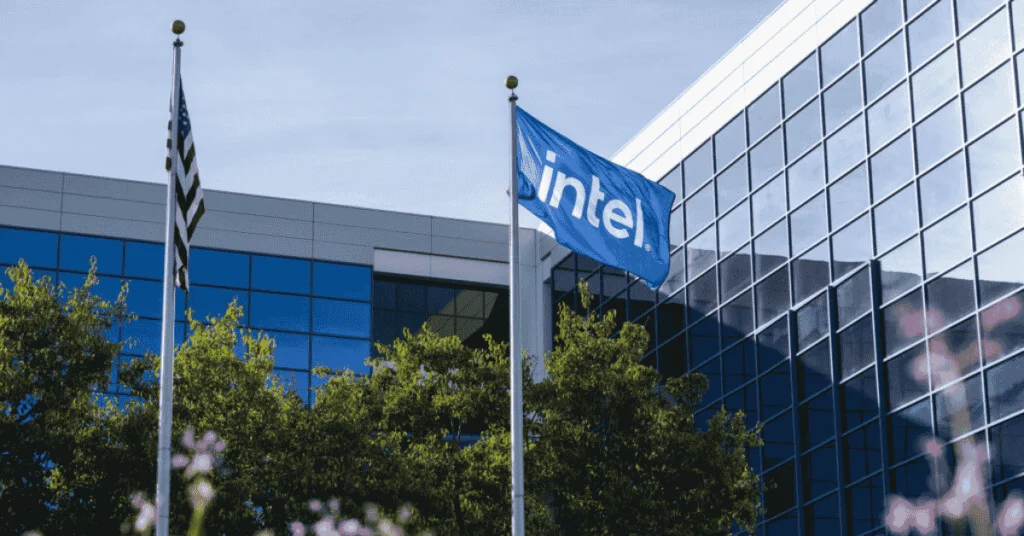
In a headline-grabbing announcement, the Trump administration revealed an $8.9 billion investment in Intel Corporation, one of America’s most iconic semiconductor companies. But behind the bold numbers lies a nuanced story: this massive stake in Intel isn’t funded by new money—it’s drawn from previously awarded, but unpaid, government grants.
This move has sparked debate across the tech and political spheres, raising questions about transparency, legality, and the future of U.S. semiconductor leadership. Let’s unpack the details, explore the implications, and hear from key voices involved in this historic agreement.
Table of Contents
What’s Really Behind the $8.9 Billion Investment?
Intel’s announcement, made in collaboration with the Trump administration, stated that the U.S. government would acquire a 9.9% stake in the company by purchasing 433.3 million shares at $20.47 each. On the surface, this looks like a bold new investment in American tech. However, the funding source tells a different story.
Rather than allocating fresh capital, the administration is repurposing $5.7 billion from the CHIPS and Science Act and $3.2 billion from the Secure Enclave program—both grants awarded during the Biden administration but not yet disbursed. In essence, the government is converting these grants into equity, a move that some legal experts say may not be explicitly authorized under current law.
President Trump, however, framed the deal as a win-win. On his social platform Truth Social, he wrote:
“The United States paid nothing for these shares. A great Deal for America and, also, a great Deal for INTEL.”
Legal and Political Controversies
The CHIPS Act, originally designed to boost domestic semiconductor manufacturing through direct funding and incentives, is now at the center of a legal debate. Some lawyers and bankers argue that converting grants into equity stakes may violate the original intent of the legislation.
Trump has long criticized the CHIPS Act, calling it a “horrible, horrible thing” and urging House Speaker Mike Johnson to “get rid” of it. Yet, this deal ironically leverages the very funds he has condemned.
Adding to the drama, Trump previously accused Intel CEO Lip-Bu Tan of conflicts of interest and called for his resignation. But in a surprising reversal, he praised Tan during the announcement:
“Negotiated this deal with Lip-Bu Tan, the Highly Respected Chief Executive Officer of the Company.”
Tan responded diplomatically, stating:
“We are grateful for the confidence the President and the Administration have placed in Intel, and we look forward to working to advance U.S. technology and manufacturing leadership.”
Passive Ownership, No Strings Attached?
Despite the size of the investment, the government’s stake in Intel is described as passive. There will be no board representation, governance rights, or access to confidential company information. This structure aims to avoid political entanglement while still giving taxpayers a financial interest in Intel’s future.
Commerce Secretary Howard Lutnick emphasized the strategic nature of the deal:
“Intel is excited to welcome the United States of America as a shareholder, helping to create the most advanced chips in the world.”
Intel’s Broader Strategy: Investing in America’s Future
Intel has been aggressively expanding its U.S. operations. Over the past five years, the company has invested $108 billion in capital and $79 billion in R&D, with a majority focused on domestic manufacturing. Its newest fabrication site in Arizona is expected to begin high-volume production later this year, using the most advanced semiconductor process technology available on U.S. soil.
CEO Lip-Bu Tan has made it clear that Intel is committed to revitalizing American chipmaking:
“As the only semiconductor company that does leading-edge logic R&D and manufacturing in the U.S., Intel is deeply committed to ensuring the world’s most advanced technologies are American made.”
Supporters Say: Investment by Any Name Still Counts
Not everyone agrees the optics completely overshadow the reality. Some argue that re‑centering attention on Intel—especially through a high‑profile political event—still builds momentum and public support for America’s chip resurgence.
Supporters also note that political framing is part of the process. Governments across the world regularly repackage funding announcements to fit political priorities of the moment. In that sense, the Trump administration’s move is hardly unique.
Risks and Uncertainties
While the deal is being celebrated by many, it’s not without risks. Intel’s press release included a long list of forward-looking statements and potential challenges, including:
- Legal scrutiny over the use of CHIPS Act funds for equity.
- Political volatility and changing trade policies.
- Supply chain disruptions and geopolitical tensions.
- The evolving market for AI and cloud technologies.
These factors could impact Intel’s ability to deliver on its promises and the government’s ability to maintain its stake without complications.
What This Means for the Future of U.S. Tech Policy
This episode highlights a few key lessons about America’s semiconductor strategy moving forward:
- Consistency Across Administrations
The fact that grants are being carried over from one administration to another actually underscores continuity. Semiconductor funding is too critical to be scrapped with each political shift. - Need for Transparency
For the tech sector and financial markets to operate efficiently, clarity is essential. Announcements should clearly distinguish between “new” initiatives and “ongoing” commitments. - The Bigger Picture: Global Tech Rivalry
Regardless of spin, the real story is about positioning the U.S. against fierce competition from Asia in building the next generation of chips. That urgency doesn’t change, no matter how the dollars are announced.
Final Thoughts
The Trump administration’s Intel announcement is an instructive case study in how politics, media, and industry intersect. On one hand, it was presented as brand‑new investment—a bold step to rival China’s manufacturing push. On the other hand, the funding was primarily money that had already been allocated under earlier legislation.
For Intel, the bottom line is that funds are arriving, factories are being built, and the company is re‑emerging as a stronger player in the global semiconductor race. For policymakers, the lesson is to prioritize clarity alongside ambition.
As one industry veteran remarked to The Wall Street Journal:
“We can debate the headlines, but in the end, what matters is silicon getting made here at home.”
That message may not be as flashy as a political announcement, but it’s the one that will define America’s technological future.
For the latest updates, visit our tech blogs.
Last updated on August 24, 2025 at 9:30 am